
Torture of pillows, insanity, greatest game on earth.
(Part 3 of 3. Go to Part 1, Part 2)
6. Quitter, wimp, pain
About 20% of the men quit the course. Most left on day 2, and a few dropped out around day 6 or later.
Inside my head, I quit every other day. I kept inventing excuses: the teacher was useless, I was just falling for sunk‑cost bias, my ear infection was killing me. With nothing to distract me, I had to watch this mental fight play out again and again.
Many times, I wanted to quit because I felt no progress. I could not focus on my breath. I could not feel anything on my nose. The magical “stardust” feeling never came back. In normal life, no one is reminded of their failures every single hour. At the retreat, every hour you were faced with either “great progress” or “total failure,” over and over.
Looking back, those constant struggles with failure and the urge to quit turned out to be valuable. I now have many memories where:
-
I gave up.
-
I kept going anyway.
-
I tried different coping tactics and sometimes managed to endure.
I was not always a wimp. I am not suddenly a hero who can change the world with pure willpower, but now, when life gets hard, I have a few more positive experiences to lean on. I can remind myself, “Maybe I can handle this.”
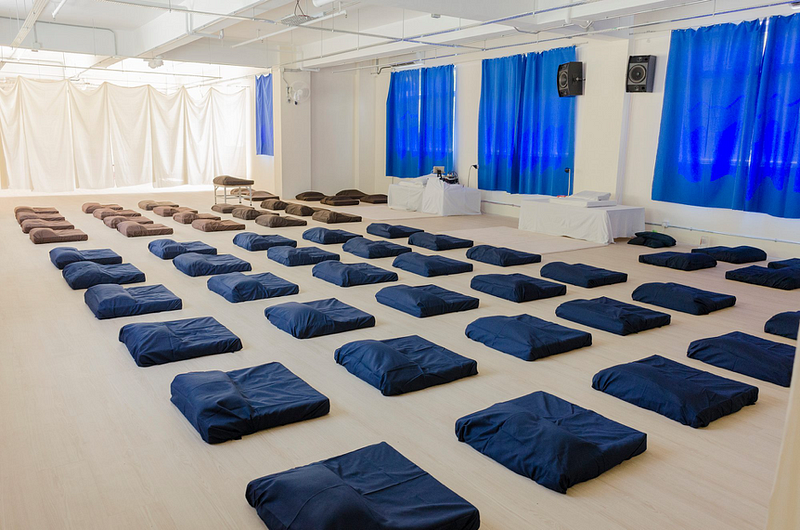
My relationship with pain was another big lesson. In those one‑hour “strong determination” sittings, the pain in my legs and back often felt unbearable. It shocked me that sitting could hurt this much. I practiced watching the pain and sometimes used the idea of impermanence on it. When it worked, the pain shifted from feeling like sharp rocks stabbing my legs to feeling like soft stockings overstuffed with cotton.
The most frustrating part was what happened afterward. When I tried to see what had caused all that pain, I saw nothing special: just crossed legs on a soft cushion. I have never been so afraid of fluffy pillows as I was during those ten days.
7. Other random things from the edge of insanity
A lot of strange behavior showed up during those ten days. We all did things that, in normal life, would look pretty crazy. Many of us paced up and down a short uphill path, only a 30‑second walk, for hours. Some stared at ants. Some giggled for no obvious reason. We quietly watched each other slide into our own versions of madness

I discovered that I walk in a weird way. My wife and mom had told me this for years, but I never really got it. At the retreat, I finally saw that I had a sort of butt‑twisting gait. Once I noticed it, I spent hours walking around, trying to fix it.
A few of us loved tofu. At meals, we would pick out all the tofu from the shared dishes. Since talking or any kind of signal was banned, no one could call us out. It felt oddly great to be selfish and face no consequences.
Other small things:
-
There were three big spiders everyone watched.
-
I could literally see the tree outside the dining area grow over ten days.
-
I realized I am most productive between 3 pm and 9 pm.
On the last day, when silence finally broke, talking ruined everything. Meditation changed immediately. My mind got filled with things I overheard. People started comparing experiences:
-
“Did you get free flow?”
-
“Oh my god, it was amazing!”
That kind of comparison sucked the joy out of it.
8. Aftermath: the ten days after the ten days
It has now been ten days since I “escaped jail.” I am proud that I can now sit and meditate comfortably for hours.
But returning to normal life has been rough. When I first turned on my phone, I felt car sick. Typing on the virtual keyboard was weirdly hard. Everyday life felt overwhelming: sounds, movement, people, food—everything. On top of that, Hong Kong was in turmoil, and the constant stream of bad news made me want to run back into that “jail cell.”
Food became a massive challenge. Once it was everywhere again, resisting it was almost impossible. At the tiny train station near the center, there were three bakeries, two convenience stores, two soup places, a bubble tea shop, and more. I was annoyed by how quickly my appetite snapped back to normal.
I could also feel the clear mind and sharp awareness fading fast. Meditation is like rubbing your hands together: you feel the heat when you touch your face, but it disappears as soon as you stop rubbing. That is what happened to my mind. The moment I returned to distractions, lack of time, weak determination, and all the responsibilities of life, it felt almost impossible to reach that same clear, aware state again.
Still, after thinking about it more, I believe this is something everyone should experience at least once. Getting a glimpse into the depths of your own mind (and body—stomach, back, spiders, stars, whatever) is worth it. Now I know what is possible. It is like having tasted real Kobe beef or having Natalie Portman fall in love with you: you gain a reference point for something truly exceptional.
I now have personal experiences of “woo‑woo” ideas like impermanence and interconnection. And I have a mental game I can always return to. This game:
-
Is private and unpredictable
-
Is often painful
-
Can be both enjoyable and unbearable
-
Is both fulfilling and humiliating
It might be the best simulation of life. It gives me the best chance to find equanimity and some peace.
All I need now is a cushion (which still scares me), a quiet room, and a timer—and I can go insane in my own head again.
🎮🧘🏻♂️🌄
Leave a Reply